
Even today, far too many people still think of B vitamins as nothing more than a group of nutrients labeled B1, B2, B3, B4, B5, B6, B7, etc. They believe these are just common nutrients found in food. A deficiency may cause minor ailments, and supplementation only prevents trivial issues like mouth ulcers or dry skin. At worst, they think B vitamins can only assist in treating scurvy or beriberi, with no real clinical significance.
Then there is the price factor. “You get what you pay for,” many say. Even synthetic B vitamins cost only a few yuan per bottle, and high-quality natural B vitamins are still inexpensive—hardly comparable to expensive products like camel milk powder, seal oil, hydrogen-rich water, or ganoderma lucidum spore powder that some people buy at high prices.
If you still think this way, you are completely wrong! Over the past decade, clinical research on B vitamins has evolved from “basic nutrition” to a new stage of “targeted intervention.” They have shown clear clinical value in chronic diseases including cardiovascular diseases and neurodegenerative disorders.
This article is for those who want to understand B vitamins’ effects and those who underestimate them. All clinical effects listed below are based on high-quality human clinical studies, not in vitro or animal experiments.
The B vitamins you disregard today will surprise you tomorrow!
1# Treatment of Cardiovascular and Cerebrovascular Diseases
Elevated homocysteine (Hcy) is a non-negligible risk factor for stroke and atherosclerosis. Vitamin B9 (folate), B6, and B12 play vital roles in the homocysteine metabolic pathway.
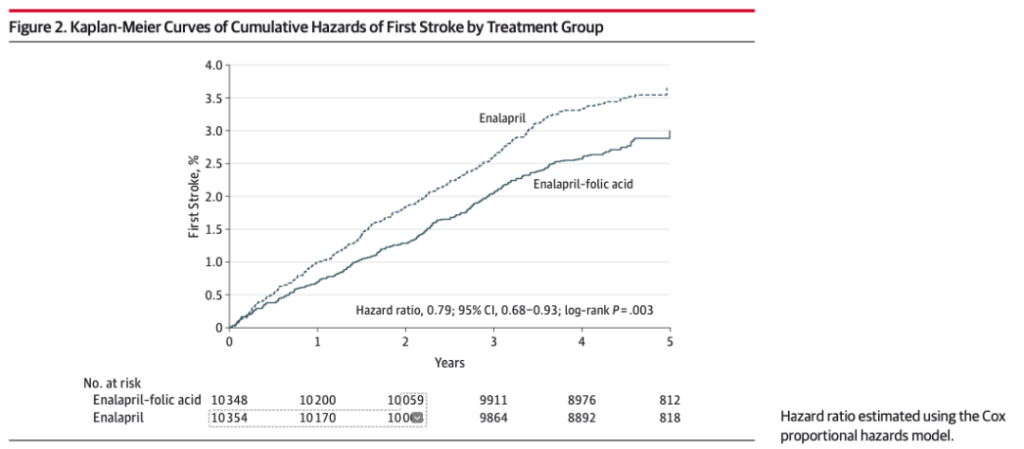
A landmark study is China’s CSPPT (China Stroke Primary Prevention Trial), a large randomized controlled trial published in JAMA in 2015. It included 20,702 Chinese hypertensive patients, who received the antihypertensive drug enalapril plus 0.8 mg folic acid daily.
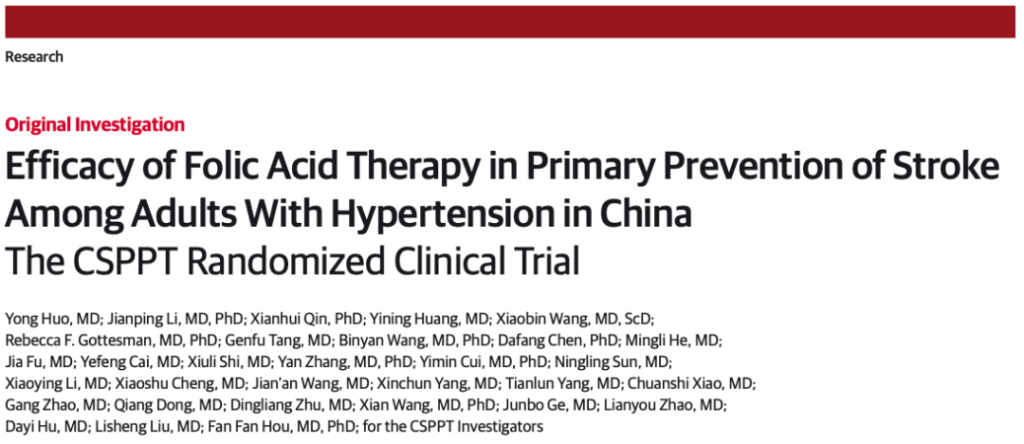
The results showed that compared with antihypertensive medication alone, daily folic acid supplementation reduced the risk of first stroke by 21%, with particularly significant benefits for people with low baseline folate levels.
Earlier large population studies support this conclusion. A 2007 meta-analysis on stroke prevention in The Lancet found that B vitamin supplements containing folate significantly reduced stroke risk by 18%.
With more randomized controlled clinical trials, evidence in this field has continued to accumulate.
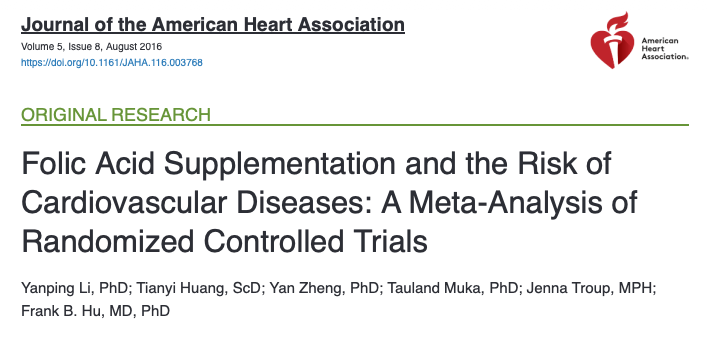
In 2016, a meta-analysis published in the Journal of the American Heart Association included 30 clinical studies covering 82,334 participants. Although some studies showed no significant differences, overall folate-containing supplements reduced stroke risk by approximately 10%—especially in regions with low baseline folate and low dietary B vitamin intake.
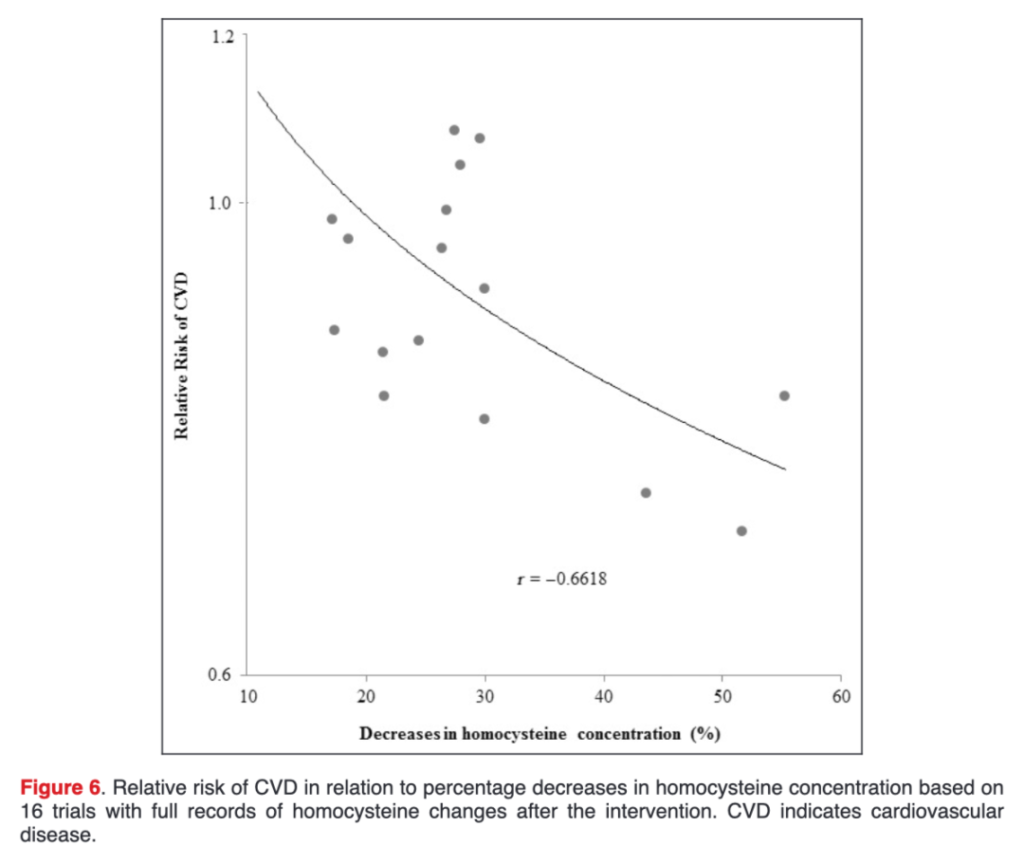
Folic acid supplementation significantly lowers homocysteine levels, and the degree of homocysteine reduction correlates with cardiovascular disease risk reduction. In simple terms: lower homocysteine = lower cardiovascular disease risk.
2# Intervention in Neurological and Cognitive Function
In 2011, the University of Oxford published a double-blind controlled clinical study of adults over 70 years old. 133 participants received daily supplementation of 0.8 mg folate, 0.5 mg B12, and 20 mg B6 for 2 years, while another 133 received a placebo.
The results showed that in elderly people with mild cognitive impairment (MCI) and high homocysteine levels, combined B vitamin intervention reduced brain atrophy rate by about 30% and slowed episodic memory decline to a certain extent.
Large-scale statistical analyses support this finding. A 2016 meta-analysis in Nutrients concluded that B vitamin supplementation significantly improves cognition in people with high baseline homocysteine, while effects are mild in those with normal Hcy levels.
A 2021 meta-analysis of 95 studies involving over 46,000 participants confirmed that B vitamin supplementation is clearly associated with slower cognitive decline—especially with early and long-term intervention.
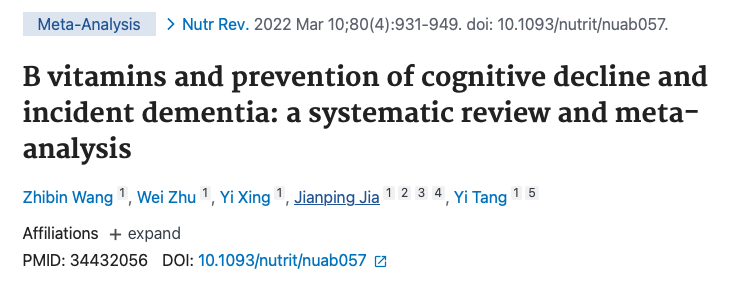
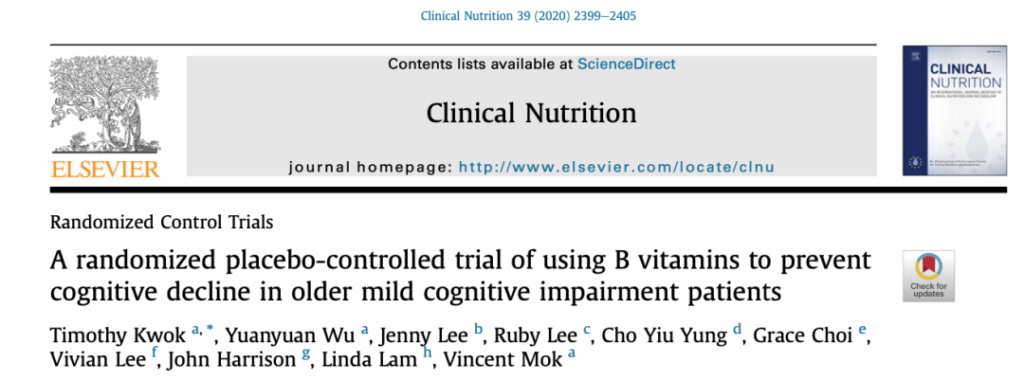
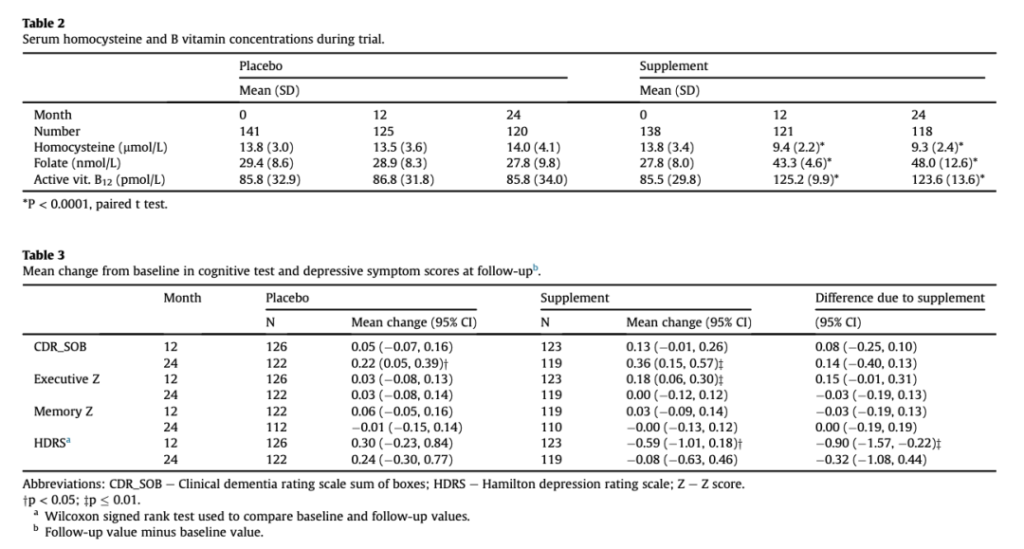
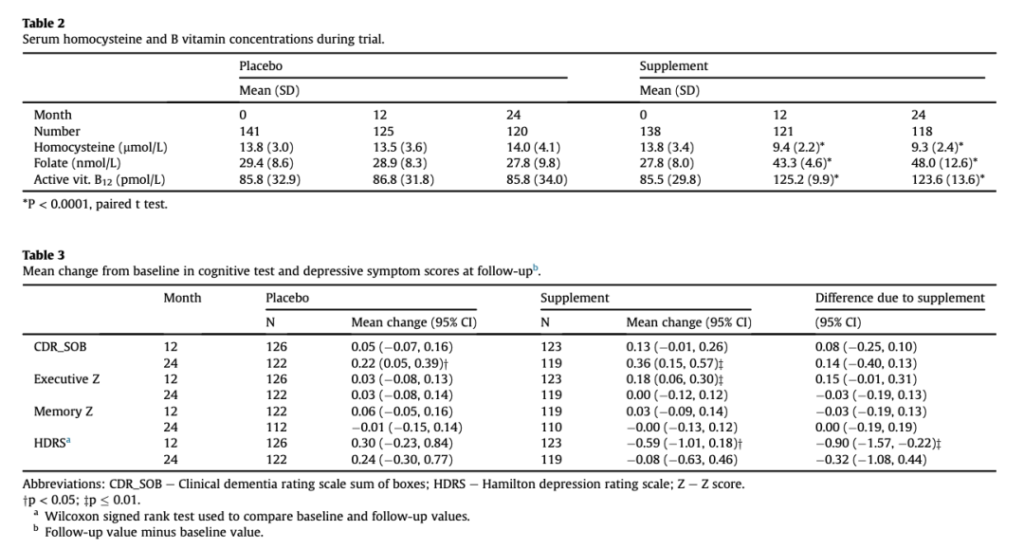
In 2019, a randomized controlled trial by institutions including The Chinese University of Hong Kong and the Department of Health of Hong Kong enrolled 279 elderly people over 65 with mild cognitive impairment. Participants received 500 μg B12 and 400 μg folate daily for 24 months.
The results showed that serum homocysteine levels decreased significantly in the B vitamin group. At the 12-month follow-up, executive function and HDRS (Hamilton Depression Rating Scale) scores improved, indicating better emotional state. However, compared with the placebo group, B9 and B12 supplementation showed no statistically significant difference in reducing cognitive decline.
3# Intervention in Mental Health and Mood Disorders
B vitamins regulate mental health by participating in the synthesis of neurotransmitters including dopamine, serotonin, and norepinephrine. They are closely linked to depression, anxiety, and fatigue.
Notably, after 3 months of combined intervention, additional B vitamin supplementation reduced the risk of depression recurrence and sustained antidepressant effects in elderly participants for one year.
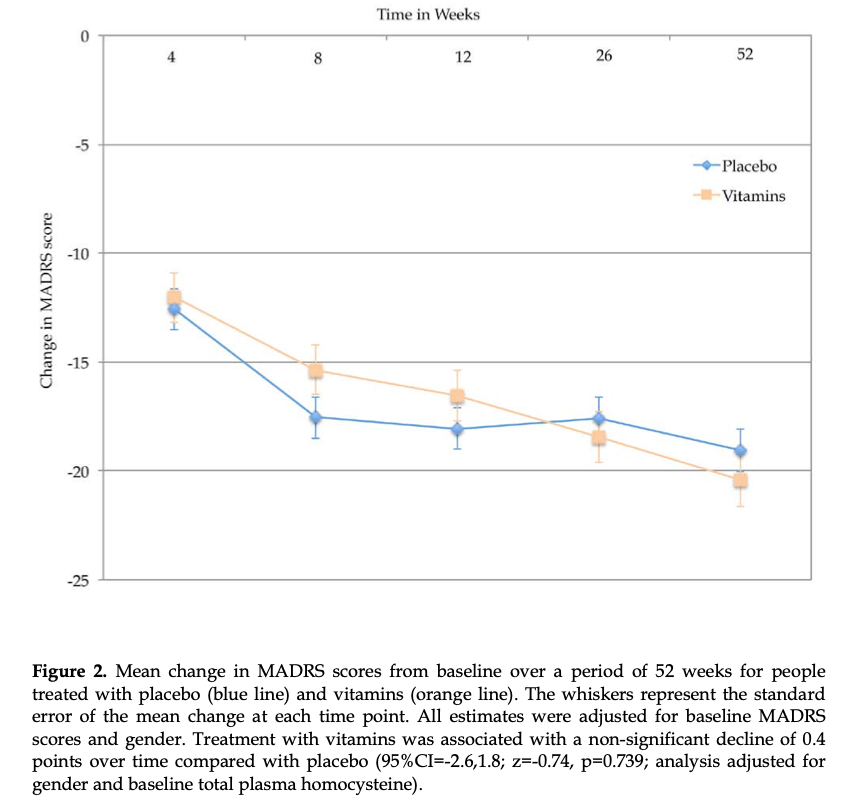
Another RCT on major depressive disorder found that adjunctive active folate significantly improved treatment response and remission rates, particularly in patients with low blood folate levels.
A 2019 systematic review and meta-analysis reported that B-complex vitamins significantly improve stress and mood in healthy and “at-risk” individuals, through mechanisms including reduced neuroinflammation and optimized cellular energy metabolism.
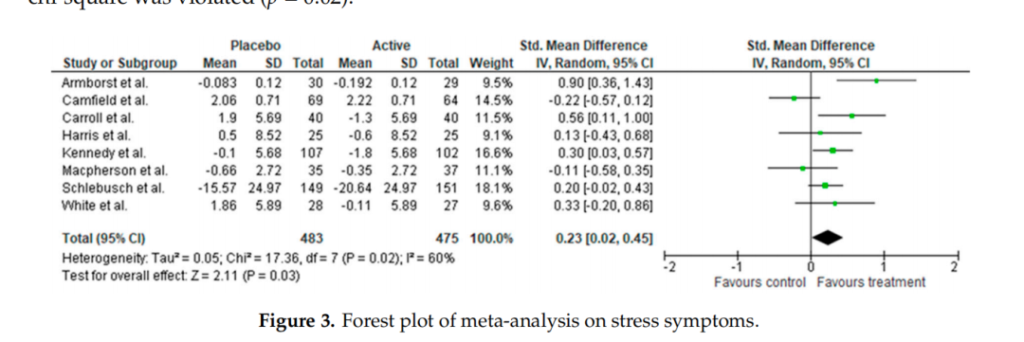
B-complex vitamins also effectively relieve fatigue. A study of 60 working adults found that 90 days of B-complex supplementation significantly reduced workplace stress scores and post-work fatigue.
4# Treatment of Migraine
Vitamin B2 (riboflavin) has the strongest and most consistent evidence for migraine prevention. Its mechanisms include improving mitochondrial ATP production, reducing neuronal energy deficiency, and lowering the incidence of cortical spreading depression—relevant because migraine patients show reduced cerebral mitochondrial energy metabolism.

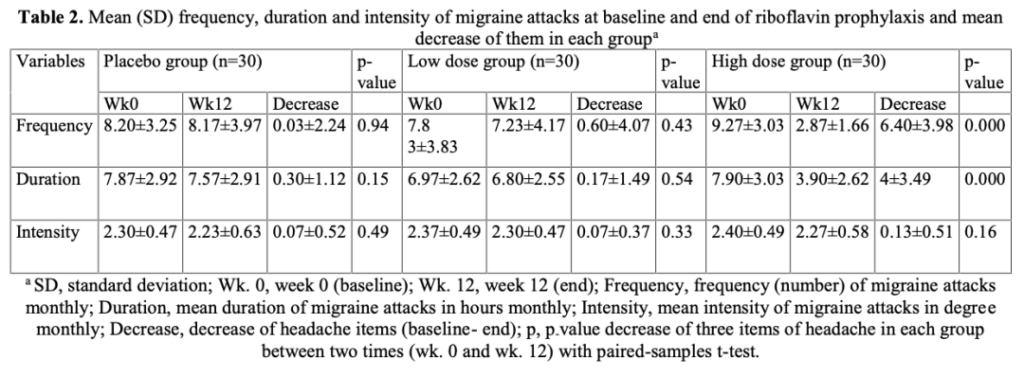
A 3-month randomized trial in 1998 compared 400 mg B2 with placebo in 55 migraine patients. B2 was significantly better than placebo in reducing headache frequency and days with headaches.
For pediatric migraine, B2’s safety and efficacy make it a preferred option. A Japanese study found that low-dose B2 for 3 months reduced migraine frequency by 50% in 37% of children and by 25%–50% in 26.5%.

Other research shows high-dose B2 works better for children: after 12 weeks, the high-dose group had greater reductions in migraine frequency and duration.
5# Intervention in Diabetes and Complications
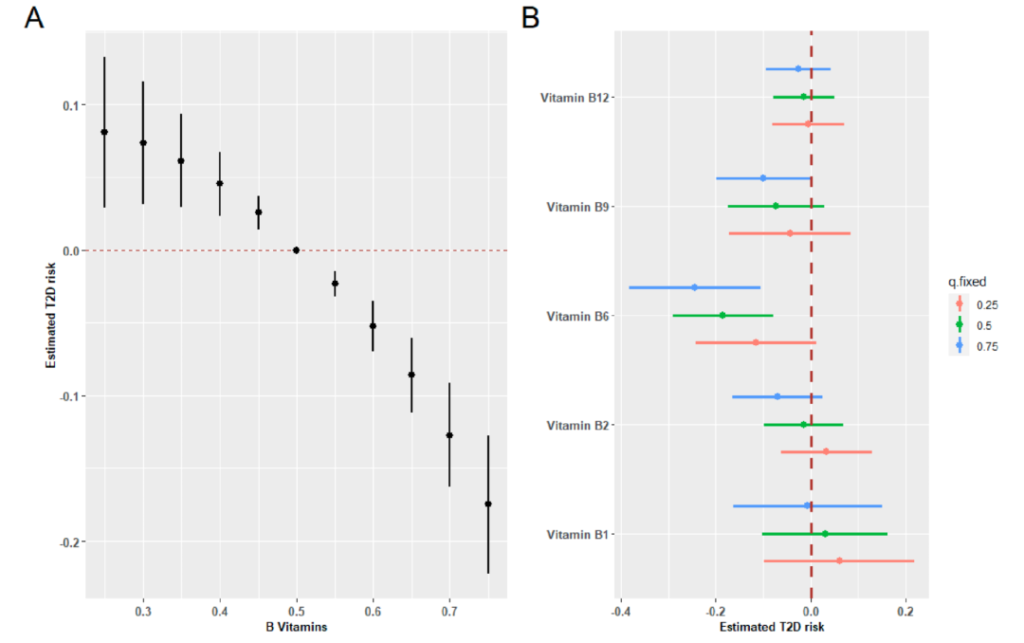
A large population study published by Fudan University in Nutrients last year included 45,000 Shanghai residents. It found that high-dose B-complex vitamins (B1, B2, B6, B9, B12) reduced type 2 diabetes risk by approximately 20%.
Among individual B vitamins, B6 contributed the most (45.6%) to diabetes risk reduction. B supplementation also helped lower inflammatory markers.
Another randomized double-blind study found that 1000 mg mecobalamin (B12) daily for 12 months significantly improved symptoms in type 2 diabetes patients, including pain and paresthesia—attributed to B12’s role in boosting neurotransmitters like norepinephrine and serotonin.
Summary
Over a decade of clinical evidence clearly shows that while B vitamins are not “universal supplements,” they offer definite clinical value when used for the right people, at the right time, and in the right formulation.
- Active folate-containing B vitamins → reduce stroke and cardiovascular disease risk
- B6 + B9 + B12 complex → slow brain atrophy and cognitive decline in elderly with high homocysteine
- Active folate-containing B-complex → adjunctive therapy for depression
- B2 → relieve and treat migraine, safe for children
- B6 and B12 → help prevent diabetes and improve diabetic peripheral neuropathy
Welcome to discuss more Vitamin knowledge with us!
We provide premium-grade Vitamin B2 (Riboflavin) and B9 (Folic Acid) with stable supply and strict QC. Contact us for professional insights and quotes at sales@hongyustarry.com!