
The global magnesium market is experiencing unprecedented demand, but the conversation has radically shifted. It is no longer just about meeting daily recommended intakes; it is about molecular efficiency, tissue specificity, and patient compliance.
While first-generation inorganic salts (Magnesium Oxide) and second-generation organics (Magnesium Citrate, Glycinate) have dominated the shelves, a more sophisticated molecule is quietly redefining premium formulations: Magnesium Glycerophosphate (MGP).
Here is a deep technical breakdown of why Magnesium Glycerophosphate represents the next frontier for high-end nutraceuticals, clinical nutrition, and functional food applications.
1. Molecular Structure & Mechanisms of Absorption
To understand why Magnesium Glycerophosphate excels, we must look at its specific chemistry. MGP is an organic compound consisting of magnesium bound to a glycerol molecule esterified with phosphoric acid.
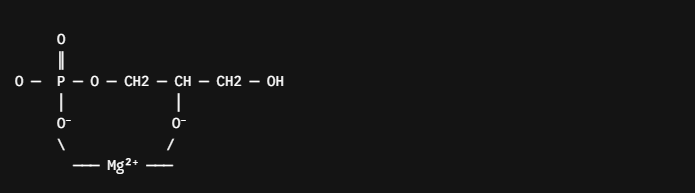
Unlike Magnesium Oxide, which relies on gastric acid to break its high-lattice ionic bonds (often resulting in poor dissolution and low bioavailability), MGP behaves differently in the gastrointestinal tract:
- Optimized Passive and Active Transport: The glycerophosphate moiety serves as a highly effective organic carrier. It stabilizes the magnesium ion through the acidic environment of the stomach, preventing premature dissociation.
- The Phosphate Pathway Advantage: Once in the small intestine, MGP can utilize distinct organic anion transport systems and phospholipid absorption pathways, running parallel to standard ion channels (TRPM6/7). This dual-pathway mechanism prevents carrier saturation.
2. Comparative Advantage: MGP vs. Other Magnesium Salts
When developing a premium formulation, product developers must constantly balance elemental magnesium payload, solubility, gastrointestinal tolerance, and cellular uptake.
Here is how Magnesium Glycerophosphate benchmarks against standard market alternatives:
| Attribute | Magnesium Glycerophosphate (MGP) | Magnesium Glycinate / Bisglycinate | Magnesium Citrate | Magnesium Oxide |
| Bioavailability | Excellent (High cellular retention) | Excellent (High absorption) | Moderate to High | Very Poor (~4%) |
| Gastrointestinal Tolerance | Superior (Extremely low osmotic laxative effect) | Good | Low to Moderate (Triggers osmotic diarrhea at high doses) | Poor (Frequently causes GI distress) |
| Solubility in Water | High (Ideal for clear beverages & liquids) | Poor to Moderate (Often cloudy, chalky texture) | High (But alters pH/taste significantly) | Insoluble |
| Organoleptic Profile | Neutral (Clean taste, minimal metallic note) | Challenging (Fishy/amine off-notes requiring heavy masking) | Tart/Sour (Requires significant pH buffering) | Chalky / Gritty |
The Critical GI Advantage
The primary failure point of traditional magnesium supplementation is the osmotic effect in the colon. Unabsorbed magnesium draws water into the intestines, causing laxation. Because MGP is highly soluble yet absorbed with remarkable efficiency before reaching the large intestine, it exhibits an exceptionally high gastrointestinal threshold. Formulators can achieve therapeutic dosages without triggering bowel intolerance.
3. Beyond General Health: Cellular Synergy & Targeted Functionality
Magnesium Glycerophosphate delivers a dual-action therapeutic payload because the carrier molecule itself is highly bioactive.
Cellular Energy & ATP Resynthesis
Magnesium is a mandatory cofactor for ATP (adenosine triphosphate) stabilization. However, MGP goes a step further. The glycerophosphate group enters the glycerol-3-phosphate shuttle, a crucial mechanism that transports reducing equivalents across the mitochondrial membrane for oxidative phosphorylation. This makes MGP uniquely suited for metabolic health, athletic performance, and chronic fatigue formulations.
The Neuro-Muscular & Cognitive Axis
Phosphorus is a structural component of phospholipids, which make up the myelin sheath and neuronal membranes. By delivering both highly bioavailable magnesium and a phospholipid precursor, MGP supports:
- Optimal neuromuscular relaxation and intracellular electrolyte balance.
- The synthesis of phosphatidylcholine, aiding cognitive resilience and stress management.
4. Market Prospects & Formulating for tomorrow
The market trajectory for magnesium is moving away from commoditization toward premium specialization. Consumers are reading labels and demanding options that do not cause digestive issues.
From a manufacturing and R&D perspective, Magnesium Glycerophosphate unlocks versatile delivery formats that were previously restricted by the chemical limitations of other salts:
- RTD (Ready-to-Drink) & Liquid Supplements: MGP’s high water solubility and neutral taste profile make it the gold standard for functional beverages, transparent liquid shots, and pediatric drops without requiring aggressive artificial flavor masking.
- Synergistic Powders: Perfect for premium sleep, stress, or pre-workout powder blends where texture and mouthfeel are critical to consumer retention.
- High-Density Encapsulation: Unlike bulky bisglycinates that require massive capsule sizes due to low bulk density, MGP allows for tighter compaction and cleaner processing on high-speed encapsulating lines.
Conclusion
As the nutraceutical industry matures, the brands that win will be those that prioritize physiological evidence and superior user experience. Magnesium Glycerophosphate is no longer an alternative—it is the solution for formulators refusing to compromise between high bioavailability and digestive comfort.
At Yantai Hongyu Starry Biotech, we specialize in manufacturing and supplying ultra-pure, high-performance mineral salts that empower global brands to innovate with confidence.
How is your R&D team addressing magnesium bioavailability in your upcoming product pipeline? Let’s connect in the comments or via DM to discuss technical specifications and clinical applications.